

Shoulder Specialist Doctor in Chennai for Pain-Free Movement
Trusted arthroscopic expertise and evidence-based care for comprehensive shoulder rehabilitation and lasting functional recovery.
Book an Appointment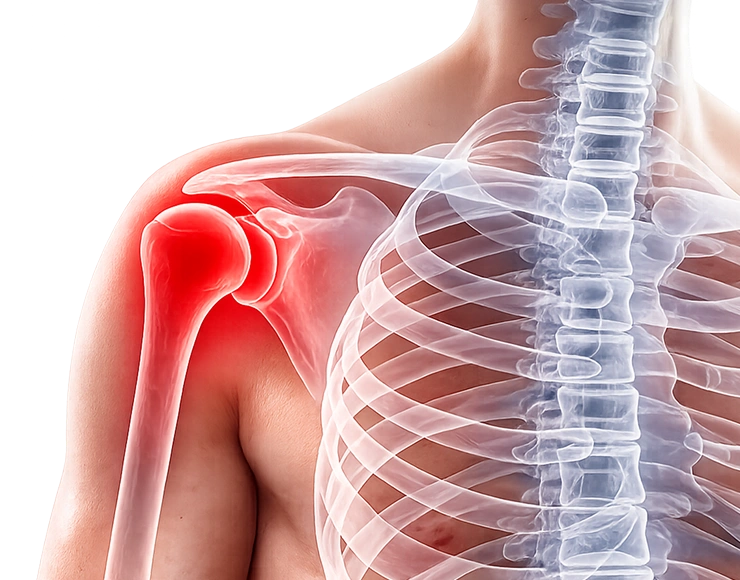

Understanding Shoulder Problems
Recognising the Conditions That Compromise Your Shoulder Health
Shoulder disorders from rotator cuff tears and frozen shoulder to subacromial impingement, are among the most functionally debilitating musculoskeletal conditions. They erode the quality of daily life, restricting routine activities such as dressing, reaching, and lifting. As a leading shoulder specialist doctor in Chennai, Dr. Jebaraj offers precise diagnosis and targeted shoulder pain treatment in Chennai to restore full, pain-free motion at every stage of the condition.
Early clinical intervention is decisive. Delayed management allows structural deterioration and chronic stiffness to deepen, significantly complicating rotator cuff injury treatment in Chennai and extending rehabilitation timelines.
Overuse or repetitive occupational movements
Sports-related trauma and acute injuries
Age-related degenerative changes
Shoulder joint inflammation or progressive stiffness
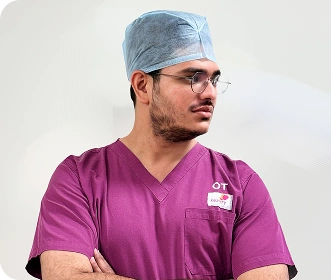
Dr. Jebaraj: Shoulder Specialist in Chennai for Frozen Shoulder & Rotator Cuff
Dr. Jebaraj Pradeep, MBBS, MS (Ortho), FASM is a distinguished Consultant Orthopaedic Surgeon at Hope Ortho Clinic, Chennai, with unmatched surgical expertise in joint replacement and arthroscopy procedures. Trained at Sri Ramachandra Medical Centre and holding a fellowship in arthroscopy, sports medicine, and ligament injuries, he brings the clinical acuity of top-tier institutions, including Apollo Hospital, to every consultation. As a sought-after orthopedic surgeon in Chennai, he has restored functional independence to hundreds of patients through exceptional surgical precision and individualised care.
Dr. Jebaraj Pradeep, MBBS, MS (Ortho), FASM
Joint Replacement & Arthroscopy Surgeon
Arthroscopic Expertise
Specialised proficiency in shoulder disorders and advanced arthroscopic procedures with fellowship-level training.
Advanced Diagnostics
Precision imaging and clinical assessment techniques to deliver accurate, evidence-informed diagnoses.
Personalised Plans
Bespoke treatment protocols aligned with each patient's condition, lifestyle, and functional goals.
High Success Rate
Consistently strong outcomes in restoring shoulder function and returning patients to full activity.
Rehabilitation Support
Structured, comprehensive physiotherapy-led recovery throughout every stage of post-operative healing.
Diagnosis, Treatment & Recovery — A Structured Path to Restoration
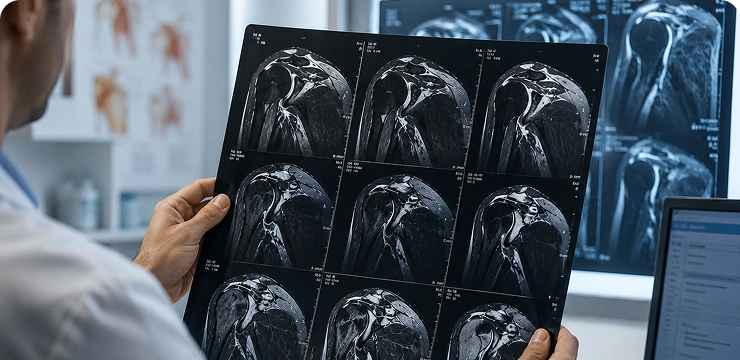
Diagnosis - Precision Assessment
Comprehensive physical examination combined with MRI and advanced imaging protocols to accurately identify the nature, severity, and extent of shoulder pathology.
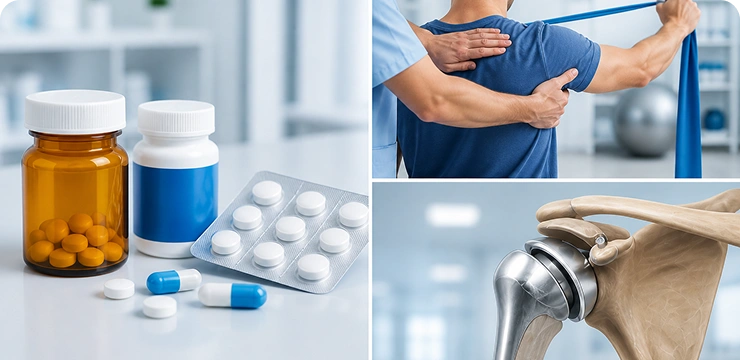
Treatment Options - Non-Surgical & Surgical
Non-surgical pathways include targeted medications, structured physiotherapy for shoulder pain, and corticosteroid or PRP injections. For structural compromise, surgical options encompass shoulder arthroscopy in Chennai, rotator cuff surgery in Chennai, and shoulder joint replacement, each tailored to the condition's complexity and the patient's recovery goals.
Recovery & Outcomes - Rehabilitation to Function
Recovery is structured for progressive restoration of shoulder strength and range of motion. Dedicated physiotherapy protocols support tissue healing, improve joint mechanics, and facilitate confident return to daily activities, professional demands, and sport with close clinical oversight at every milestone.
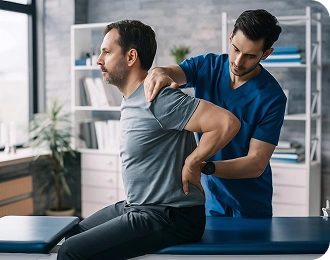

Daycare Shoulder Procedures
Using advanced minimally invasive techniques and modern pain management, we ensure that most shoulder surgeries—including rotator cuff repairs—can be performed as daycare procedures. This allows you to return to the comfort of your own home on the very same day.

Specialized Shoulder Rehabilitation
Regain your independence faster with our tailored recovery protocols. Our specialized rehabilitation starts immediately to restore optimal range of motion and shoulder stability, focusing on guided movements that rebuild strength without compromising the surgical repair.

Continuous & Personalized Support
From the hospital to your home, our team provides 24/7 guidance and clear recovery milestones. For your peace of mind, your doctor will be available at all times throughout your recovery to address any doubts or concerns immediately.

Premium Care at Affordable Pricing
Experience world-class, advanced orthopedic treatments and top-notch facilities at a fraction of the cost charged by large corporate hospitals, ensuring quality care is accessible to everyone.
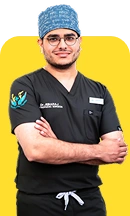
Medically Reviewed and Verified by
Dr. Jebbaraj Pradeep, MBBS, MS (Ortho), FASM
Consultant Orthopaedic Surgeon
FAQ’S
Shoulder pain and stiffness can result from various conditions, including periarthritis (frozen shoulder), shoulder impingement syndrome, rotator cuff tears, and labral tears. These conditions often develop due to overuse, repetitive motions, sports injuries, or age-related degeneration of the shoulder joint.
Shoulder surgery may be necessary when conservative treatments such as medications, physical therapy, and injections fail to provide adequate relief. Common indications for shoulder surgery include severe rotator cuff tears, persistent shoulder instability, labral tears that impair joint function, and advanced arthritis affecting the shoulder joint.
Shoulder surgery aims to alleviate pain, restore joint function, and improve overall shoulder stability and mobility. Depending on the specific condition, benefits may include reduced pain during daily activities, enhanced range of motion, improved strength, and the ability to return to sports and other physical activities.
The cost of shoulder surgery varies based on factors such as the type of procedure performed, the specific hospital or clinic, surgeon’s fees, and any additional treatments required. On average, shoulder surgery costs range from IN . 1,50,000 to INR 3,00,000. This typically covers pre-operative assessments, the surgical procedure, post-operative care, and rehabilitation.
Rotator cuff tears are diagnosed through a combination of physical examination and imaging studies. During the physical exam, Dr. Jeyaraj Pradeep assesses shoulder strength, range of motion, and signs of impingement. Imaging techniques such as MRI (Magnetic Resonance Imaging) provide detailed images of the shoulder joint, confirming the presence and extent of rotator cuff tears.
Treatment for frozen shoulder may include non-surgical approaches such as physical therapy, anti-inflammatory medications, corticosteroid injections, and gentle stretching exercises to improve shoulder mobility. In cases where conservative treatments fail to provide relief, arthroscopic surgery may be recommended to release tight tissues and restore shoulder movement.
Recovery following shoulder surgery varies depending on the type of procedure performed and the patient’s overall health. Generally, patients can expect to gradually regain shoulder strength and range of motion over several weeks to months. Physical therapy is crucial for optimizing recovery outcomes and helping patients return to their normal activities as soon as possible.
Shoulder surgery can significantly improve sports performance by addressing underlying joint issues, reducing pain, and restoring optimal shoulder function. Athletes who undergo successful shoulder surgery often experience enhanced shoulder stability, increased strength, and improved range of motion, allowing them to perform at their best in sports activities.