

Sports Injury Specialist in Chennai for Fast & Effective Recovery
Ligament Injuries | Arthroscopy | Return-to-Sport CareFellowship-trained expertise in sports medicine and arthroscopy, delivering accurate diagnosis, targeted intervention, and safe, structured return to full athletic activity.
Book an Appointment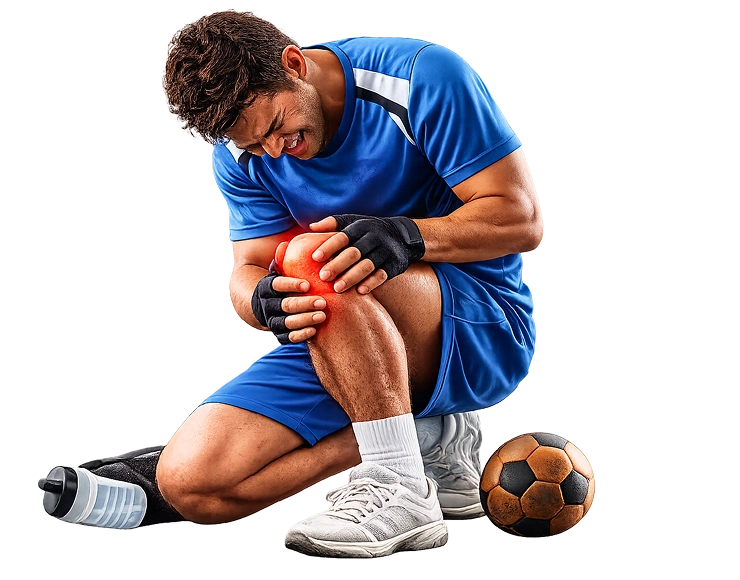

Understanding Sports Injuries
When an Injury Threatens More Than Just Your Game
Sports injuries whether sustained on the field, at the gym, or during recreational activity, can profoundly compromise joint integrity, physical performance, and long-term musculoskeletal health. As a leading sports injury specialist in Chennai, Dr. Jebaraj Pradeep offers evidence-based sports injury treatment in Chennai for both competitive athletes and active individuals. Early, specialist-led diagnosis is paramount, inadequately managed ligament, meniscus, or tendon injuries frequently progress to chronic instability and permanent functional deficit. Timely ligament injury treatment in Chennai ensures optimal structural restoration, minimising long-term complications and enabling confident, complete return to activity.
Common Sports Injuries
Ligament injuries - ACL, PCL, MCL
Meniscus tears and cartilage injuries
Shoulder injuries - rotator cuff, instability
Muscle strains and tendon injuries
Overuse and repetitive stress injuries
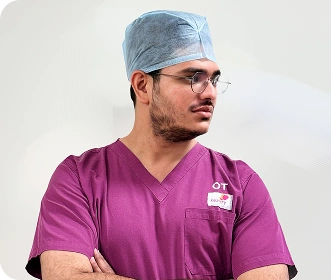
Dr. Jebaraj: A Sports Injury Doctor Dedicated to Non-Surgical Recovery
Dr. Jebaraj Pradeep, MBBS, MS (Ortho), FASM is a consultant orthopaedic surgeon at Hope Ortho Clinic, Chennai, and among the city's foremost sports injury specialists in Chennai. Trained at Sri Ramachandra Medical Centre and recognised as one of the best orthopedic surgeons in Chennai, he brings a nuanced, evidence-led approach, prioritising non-surgical recovery wherever clinically viable, and intervening surgically only when structurally necessary
12+ Years of Clinical Experience
Over a decade managing sports injuries, ligament conditions, and arthroscopic procedures across leading Chennai institutions.
Fellowship-Trained in Arthroscopy & Sports Medicine
FASM-credentialed with a dedicated travelling fellowship in arthroscopy, sports medicine, and ligament injury management.
Expert in ACL, PCL & Meniscus Injuries
Specialist proficiency in diagnosing and treating the full spectrum of knee ligament and meniscus pathologies, surgical and non-surgical.
Trained at Apollo Hospital & Leading Institutions
Clinical tenure at Apollo Hospital, Greams Road, and other premier Chennai hospitals, accumulating exceptional breadth of orthopaedic exposure.
Personalised Return-to-Sport Recovery Plans
Each patient receives a structured, goal-oriented rehabilitation programme calibrated to injury severity, athletic demands, and timeline for return
Diagnosis, Treatment & Return to Sport
Step 01 — Diagnosis
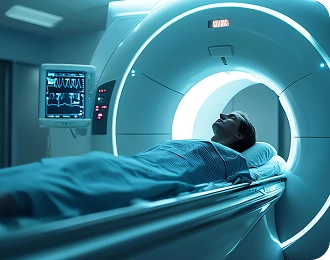
Meticulous clinical examination, corroborated by advanced imaging, MRI and diagnostic scans to precisely characterise ligament integrity, joint pathology, and structural damage prior to any therapeutic intervention.
Step 02 — Treatment Options
Non-Surgical
- > Structured rest and activity modification
- > Targeted physiotherapy for sports injuries
- > Functional bracing and orthotics
- > Anti-inflammatory medications
Surgical
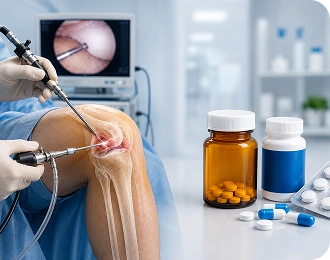
- > Arthroscopy surgery in Chennai
- > ACL, PCL ligament reconstruction
- > Meniscus repair and resection
- > Rotator cuff and shoulder stabilisation
Step 03 — Recovery & Return to Sport
Recovery is built on a staged, evidence-based rehabilitation programme personalised to injury type and functional targets. Progressive strength and neuromuscular stability training supports a gradual, criteria-driven return to sport with deliberate emphasis on re-injury prevention and sustained peak performance.
Ongoing physiotherapy for sports injuries and load monitoring ensures athletes return stronger, with greater biomechanical resilience than pre-injury baselines.
Structured Rehabilitation | Return-to-Sport Criteria | Strength & Stability Training | Re-injury Prevention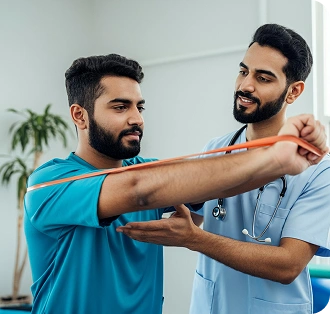

Daycare Sports Recovery
Our minimally invasive techniques and modern pain management allow athletes to return home the same day as their procedure, accelerating the transition from surgery to active recovery in a comfortable environment.

Specialized Athletic Rehabilitation
Get back in the game faster. Our sports-specific rehab begins immediately, focusing on restoring functional range of motion and explosive strength while ensuring the injured site is fully protected.

Continuous & Personalized Support
From the hospital to your home, our team provides 24/7 guidance and clear recovery milestones. For your peace of mind, your doctor will be available at all times throughout your recovery to address any doubts or concerns immediately.

Premium Care at Affordable Pricing
Experience world-class, advanced orthopedic treatments and top-notch facilities at a fraction of the cost charged by large corporate hospitals, ensuring quality care is accessible to everyone.
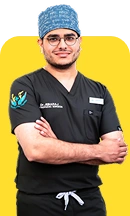
Medically Reviewed and Verified by
Dr. Jebbaraj Pradeep, MBBS, MS (Ortho), FASM
Consultant Orthopaedic Surgeon
FAQ’S
The most prevalent sports injuries include ACL and PCL ligament tears, meniscal damage, rotator cuff tears, muscle strains, tendinopathies, and overuse conditions such as stress fractures and patellar tendinitis. These typically arise from acute traumatic events or cumulative repetitive loading on vulnerable joint structures.
Consult a specialist promptly if you experience acute joint swelling, mechanical instability, inability to bear weight, or pain that persists beyond 48–72 hours despite rest. Early specialist evaluation prevents misdiagnosis, averts secondary structural damage, and establishes an effective treatment trajectory from the outset.
Many sports injuries, including partial ligament tears, muscle strains, and overuse conditions respond favourably to structured non-surgical management comprising physiotherapy, functional bracing, and targeted rehabilitation. Surgical intervention is reserved for complete ligament ruptures, structural meniscal damage, or injuries unresponsive to conservative protocols.
Recovery timelines vary substantially by injury severity and surgical status. Mild strains may resolve within 2–4 weeks; ACL reconstruction typically requires 6–9 months for safe return to competitive sport. A personalised rehabilitation plan and consistent physiotherapy adherence are the principal determinants of recovery speed and quality of outcome.
Arthroscopy is a minimally invasive keyhole surgical technique that enables direct visualisation and treatment of intra-articular pathology through small portal incisions. It is indicated for ligament reconstruction, meniscus repair, cartilage resurfacing, and shoulder stabilisation, where diagnostic imaging alone is insufficient or non-surgical management has proved inadequate.
Injury prevention centres on structured warm-up protocols, progressive load management, sport-specific neuromuscular conditioning, and adequate recovery. Biomechanical assessments to identify movement deficiencies, combined with appropriate protective equipment and coaching oversight, substantially reduce injury incidence across all activity levels and athletic disciplines.